
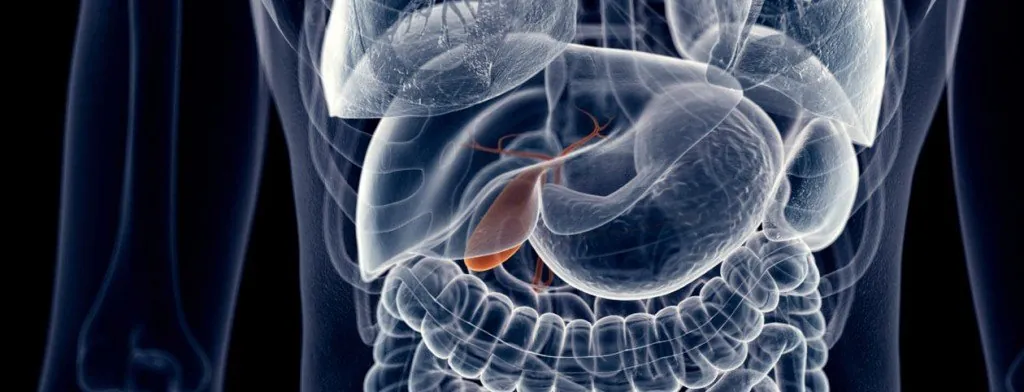
There is no one-size-fits-all diet for those who have just gone through gallbladder surgery, reports the Mayo Clinic. However, it’s best to avoid certain foods and make dietary adjustments until your body acclimatizes and heals. This guide will discuss the gallbladder diet menu and the food choices you should make when you are having gallbladder problems.
Eating before and after surgery
Before surgery
Keep advice about gallstones separate from postoperative instructions. Ask what to eat while waiting and when fasting must begin for your procedure.
Early recovery
Follow discharge instructions. Try smaller meals and reduce large amounts of fat at one sitting if they worsen symptoms.
As eating settles
Reintroduce foods gradually and note what you tolerate. Add fiber slowly if it causes gas or cramping.
Persistent problems
Ask for review if diarrhea continues, you lose weight unintentionally, or eating remains difficult. Use the symptom checklist below for concerns that need prompt contact.
Mayo Clinic’s advice after gallbladder removal focuses on smaller meals, moderating fat, and increasing fiber gradually, rather than a single permanent diet for everyone.
Understand the procedure and gallstones
Overview
The gallbladder is a small organ that rests below your liver. Its sole purpose is to secrete and store bile, a liquid made by the liver that helps digest fats, but you can live without the organ if necessary. If your gallbladder has become infected or if you have gallstones or have an inflamed gallbladder, your doctor may recommend having it removed.
Surgery may also be necessary if you develop a gallstone that blocks a bile duct. When you have your gallbladder removed, your liver will continue to make enough bile for digestion, but you may need to choose a low-fat diet menu after gallbladder removal to avoid stomach upset. During your hospitalization, your physician will probably transition you from a completely liquid diet that consists of clear fluids, such as broth and gelatin.
Once you begin to feel normal without suffering any nausea, you may begin to add solid foods back into your diet, but a gallbladder diet will recommend you avoid certain foods for a while. Typically, you will only spend one night in the hospital, and you can expect to return to your normal activities within three to five days.
Gallstones Diet
Many people with gallstones or gallbladder problems never develop any symptoms. According to a study by Dr. David Ransohoff of the University of North Carolina at Chapel Hill, only about 18 percent of 123 patients tested ever developed gallbladder symptoms in a period of twenty years, and only around 1 percent ever experienced any pain.
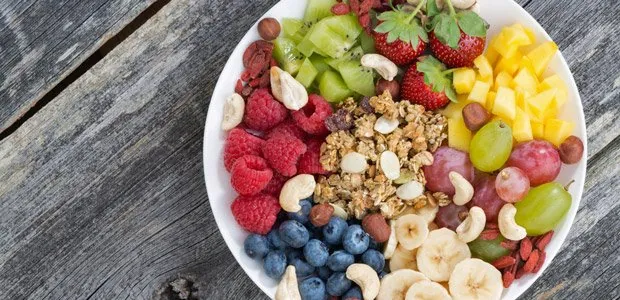
Gallstone pain begins on the upper right side of the abdomen right after a big meal. It can last approximately two to four hours, and the pain can be severe. It’s important to see a doctor immediately when you experience any of these symptoms. People at risk of gallstones should try to stay at a healthy weight and eat a diet that is low in fat and cholesterol and high in fiber.
Other foods to include on a menu for gallbladder diet include fresh fruits and vegetables, whole grains, lean meats, poultry and fish, and low-fat dairy products.
Food choices after surgery
| Try a small meal | Adjust for tolerance |
|---|---|
| Oatmeal with sliced banana | Increase the fiber portion gradually. |
| Rice with skinless chicken or tofu and cooked vegetables | Use a modest amount of oil; avoid a heavy cream sauce. |
| Vegetable soup with toast | Choose a broth-based soup if rich soups cause symptoms. |
| Plain low-fat yogurt or a fruit snack | Choose another option if dairy or a particular fruit worsens symptoms. |
Foods to Avoid
While waiting for your body to adjust after surgery, you should avoid certain foods for at least a few weeks. If your doctor did not give you specific instructions or if you need help devising a diet plan, ask your doctor for recommendations or have him refer you to a registered dietician. Foods to avoid usually include:
- Fried foods, such as french fries and potato chips
- Pizza
- Chocolate
- Foods based with lard or butter or containing heavy oil
- Meats and poultry with the skins attached, such as chicken wings
- Creamy soups, sauces and gravies
- High-fat meat, including pepperoni, salami, bologna, bacon, ground beef, and ribs
- Spicy foods
When to Call Your Doctor
Even if you make changes in your diet, it may be necessary to contact your doctor if you begin experiencing any abnormal or food-related symptoms. Usually the only discomfort you will feel is the abdominal pain right after surgery due to the residual carbon dioxide absorbed in the blood stream. If you experience any of the following conditions after you have eaten, it may simply be a transition into solid foods, or it could be a symptom of something more serious.
Regardless of the reason, you should contact your doctor if you notice any of the following:
- Persistent, worsening or severe stomach pain
- Nausea and vomiting
- Jaundice or yellowing of the skin
- Bloated feeling or inability to pass gas
- Lack of bowel movement for several days after surgery
- Frequent or severe diarrhea that lasts for more than three days after surgery
- Fever
- Pain behind the breastbone
Flax Pancakes
- Servings
- 1
- Preparation
- About 5 minutes
- Cooking
- About 5 minutes
Flax pancakes are an excellent addition to your breakfast gallbladder diet menu. They are high in fiber and protein, low in calories, and very easy to make.

Ingredients
- 1 egg
- 3 Tablespoons flax seed meal (Read about the health benefits of flax seed)
- 1/2 teaspoon baking powder
- 1/2 teaspoon vanilla
- 1 to 2 packets of Splenda
- Cinnamon or nutmeg to taste
Method
Place a skillet on medium heat and coat it with nonstick cooking spray. Mix all the ingredients into a bowl and pour by spoonfuls into the heated skillet. Cook on each side until it’s a light golden brown. Add sugar-free pancake syrup or low-fat margarine to the top, if desired. The recipe makes one serving and takes approximately five minutes to prepare and five minutes to cook. For an added change to your gallbladder diet menu, slice fresh fruit on the top for an afternoon snack.