
Volumetrics starts with a practical question: how can you build a satisfying meal with fewer calories per bite? This guide brings together the food choices, meal ideas, recipes, and preparation habits that make the approach usable.
Explore this guide
See how energy density works
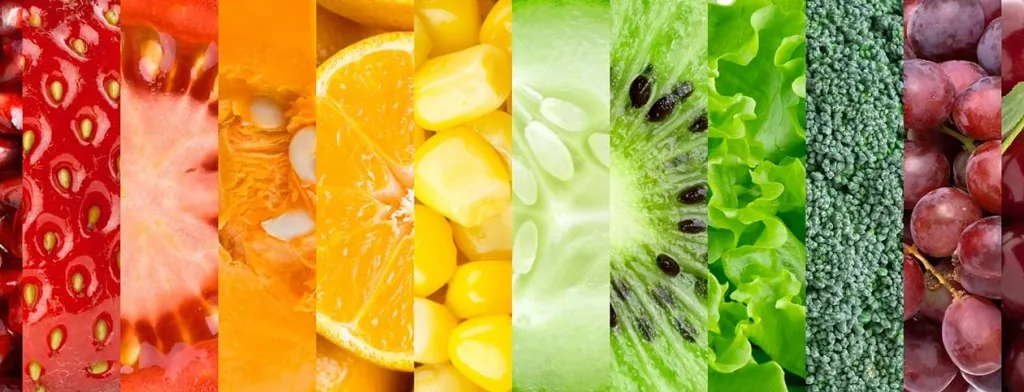
Energy density means calories per gram of food. Water adds weight without adding calories, which helps explain why soups, vegetables, and fresh fruit can contribute substantial portions to a meal. Penn State’s account of Barbara Rolls’ research explains the role of water incorporated into foods.
Think about the whole plate: vegetables or fruit for bulk, a protein source, a grain or other starch, and a deliberate amount of dressing or oil. The aim is a satisfying combination, rather than choosing every food by its calorie content alone.
Food comparison / FDA nutrition data
Same weight, different calories
Compare six raw fruits by food weight or by calories. Food weight is measured in grams; it is not a measurement of volume in cups.
Approximate calories in 100 grams of edible fruit.
Data and calculation
| Raw fruit | FDA reference | Per 100 g | For 100 kcal |
|---|---|---|---|
| Watermelon | 280 g / 80 kcal | 29 kcal | 350 g |
| Strawberries | 147 g / 50 kcal | 34 kcal | 294 g |
| Apple | 242 g / 130 kcal | 54 kcal | 186 g |
| Grapes | 126 g / 90 kcal | 71 kcal | 140 g |
| Banana | 126 g / 110 kcal | 87 kcal | 115 g |
| California avocado | 30 g / 50 kcal | 167 kcal | 60 g |
Calories per 100 g = calories ÷ reference grams × 100. Grams for 100 calories = reference grams ÷ calories × 100. The chart uses unrounded calculations for bar lengths and rounds labels to whole numbers. The scale changes units between views.
How the plan works
Volumetrics Diet Plan
The Volumetrics diet has quickly gained popularity due to its easy-to-understand premise. The diet revolves around foods that have a low caloric density—foods such as fruits and vegetables that contain few calories for their overall sizes. These foods are traditionally associated with wellness and fitness, which makes them a great choice for those looking for a boost to their energy levels.
Coupled with enhanced nutrition, enhanced energy levels make it easier for dieters to take part in physical activity, which can further help shed pounds and tone the body. The plan offers dieters fed up with many trends the option to eat more while losing weight.
When the proponents of the diet plan speak about eating more, they are actually referring to the volume of food that you take in throughout the day. By cutting out foods that have a low volume and high caloric value, the diet forces you to choose low-calorie foods that are filling or to eat greater amounts of foods with a lower caloric density.
That’s where the volume in Volumetrics comes from: you are likely to increase the overall volume of food that you consume and make healthy choices about what you eat while still losing weight.
The difficulty of the plan lies in meal preparation. Because your food choices are limited, you must often prepare meals ahead of time and plan your full week’s dining activities in advance. You also cannot indulge in fast food or many restaurant meals while on the diet .
Volumetrics Food List
The food list lies at the heart of this plan. The basics are similar to many low-calorie intake programs. These include:
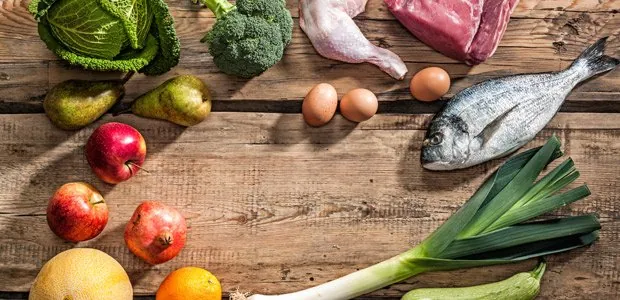
- Fruit.
- Vegetables.
- Low-fat dairy.
- Whole grains.
- Beans.
- Lean meat.
The restriction on the foods you eat can make meal planning one of the most difficult aspects of the program. Also, a reliance on fruits and vegetables as the bulk of your caloric intake may be off-putting to some dieters who prefer red meats and higher fat content.
Techniques used in food preparation are also important. Deep-fried foods and similar cooking methods that involve adding calories through sauces or oils should be avoided as these additives are not low-calorie and high-volume foods. Similarly, seeds and nuts are allowed only in exceptionally small quantities, and it is suggested they should be added to the diet only to meet nutritional needs for essential oils. Alcohol is prohibited.
Volumetrics Eating Plan
Unlike many plans that have set meal schedules, this diet allows you to eat as you enjoy or your schedule permits. The diet’s premise is that you will feel fuller and, thus, cut down on your food intake as well as substituting low-calorie options for many less healthy foods. You should eat only when you feel hungry, and the recommended thirty minutes or more per day of exercise may also help cut down on hunger pangs while keeping you feeling refreshed throughout the day.
Those who feel hunger immediately after working out should plan for a light snack that meets the low-calorie and high-volume metrics of the plan. A standard week on the plan requires you to carefully evaluate your food choices and set up your meals to match your schedule. Dieters may benefit from planning meals in advance and eating as hunger arises instead of at predetermined times.
Put together a meal plan
This three-day rotation is an example menu, not a fixed calorie prescription. Adjust portions to your needs and use leftovers to reduce preparation.
| Day | Breakfast | Lunch and dinner |
|---|---|---|
| Day 1 | Plain yogurt, berries, and oats. | Lunch: white-bean vegetable soup and whole-grain toast. Dinner: chicken, roasted vegetables, and brown rice. |
| Day 2 | Eggs with spinach and whole-grain toast. | Lunch: leftover chicken and rice salad. Dinner: baked fish, potatoes, and green beans. |
| Day 3 | Cottage cheese, fruit, and whole-grain toast. | Lunch: chickpea and cucumber bowl. Dinner: lentil and vegetable stew with a side salad. |
Volumetrics Diet Menu
The menu available under the plan is limited to those items found in the food list. Fortunately, the relatively wide spread of options within those items allows you to get creative with how you handle your food intake. Possible meal options include:
- Lean meats and a vegetarian salsa.
- Fish garnished with fruits and vegetables.
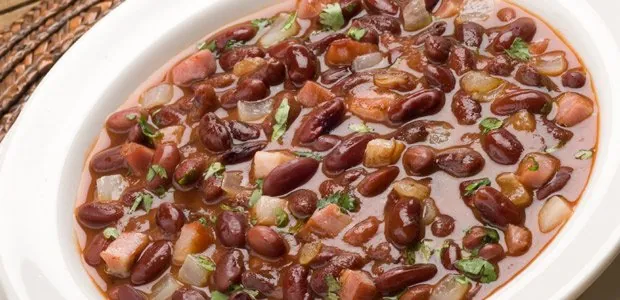
- Vegetarian bean soups.
- Low-fat cottage cheese with fruit.
Low-fat cottage cheese and yogurt are especially helpful on this plan. Remember to choose the sugar-free varieties of yogurt, as added sugar will increase caloric intake.
Recipes you can make
Volumetrics Recipes
One popular recipe for those under this program includes combining cottage cheese with your favorite fruits and vegetables. On its own, cottage cheese has a strong dairy aroma and a texture. Mixing this with berries, which contain antioxidants along with the benefits of fruit, and brightly colored vegetables can give you a great light snack or lunchtime meal.
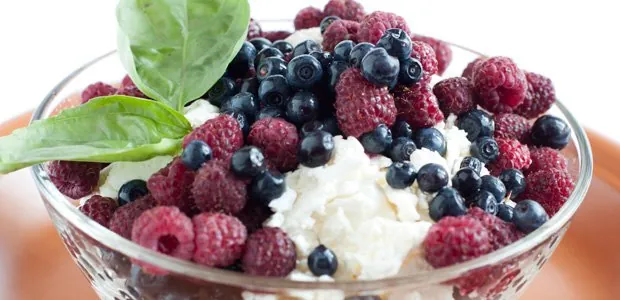
Another recipe includes preparing lean meat, such as chicken or fish, ahead of time by grilling it until the meat is firm and moist. You should then dice your favorite vegetables and fruits into small, cube shapes and store them separately. When you’re ready to eat, reheat the meat to a comfortable temperature and add the diced fruits and vegetables. The salsa adds even more nutrition and flavor to an already low-calorie meal. Typically equal volumes of meat and vegetables are used, with half the initial volume being diced fruit.
These measured recipes expand on the soup and cottage-cheese ideas above. Preparation times are estimates.
White-bean and vegetable soup
- Makes
- 4 servings
- Time
- About 30 minutes
Ingredients
- 1 tablespoon olive oil
- 1 small onion, diced; 2 carrots, diced
- 2 cloves garlic, minced
- 1 can (14–15 oz) diced tomatoes
- 2 cans (15 oz each) white beans, drained and rinsed
- 4 cups low-sodium vegetable broth
- 2 cups chopped spinach; dried herbs and pepper to taste
Method
- Warm the oil in a saucepan. Cook onion and carrots for 5–7 minutes, stirring; add garlic for the final minute.
- Add tomatoes, beans, broth, and herbs. Bring to a boil, reduce heat, and simmer for about 15 minutes until carrots are tender.
- Stir in spinach until wilted. Taste and adjust seasoning, then divide into four portions.
Berry and cottage-cheese bowl
- Makes
- 1 serving
- Time
- About 5 minutes
Ingredients
- 3/4 cup cottage cheese
- 1 cup mixed berries, rinsed
- 2 tablespoons rolled oats
- Cinnamon to taste
Method
- Spoon cottage cheese into a bowl.
- Top with berries, oats, and cinnamon. Mix or leave in layers.
Results and practical tradeoffs
Does It Work?
Lowering caloric intake and increasing, or at least maintaining, exercise levels is a good way to shed pounds. The plan espouses nutrition as a major component, making it a healthy choice for those looking for a long-term eating solution. Even better, the plan has noted benefits for your heart and is associated with lower risk of type 2 diabetes.
The plan was created by a Penn State University professor, and it has proven a great choice for many looking to shed pounds and make a shift towards healthy eating. It has earned recognition for its safe and sound methods as well as nutritional balance.
Things You Should Know
The biggest downsides to this plan are its cost and meal preparation times. You will spend quite a bit of time planning what foods you plan to eat in the week ahead and preparing them on a weekly or daily basis. Because it has a heavy focus on fresh vegetables, fruits, and lean meats, the main ingredients can become costly.
This is especially true if you are converting your whole family to the diet to support some members or encourage healthy eating habits. Family members can help pitch in to make the preparation and cooking aspects of the plan easier, however. The benefits usually outweigh the downsides for most on the Volumetrics diet.
Common questions
Do I need to count calories?
You can use the food-group and meal examples to plan meals without logging every bite. If you do track calories, record the full recipe, including oils, dressings, and drinks; the FDA comparison data above cover raw fruit only.
Can I keep nuts, avocado, or olive oil?
These foods contribute flavor and nutrients in smaller amounts. Pairing them with vegetables, fruit, legumes, or grains lets you work with energy density without making the plate monotonous.
How can I make this less expensive?
Build meals around canned beans, frozen vegetables, seasonal fruit, and grains you already use. Make one soup or stew for several meals, and buy ingredients that work in more than one recipe.