

While severe dietary restrictions were once the rule for gout sufferers, modern gout diets aren’t so difficult to maintain. According to the Cleveland Clinic, about 4 percent of the US population has gout, and gout attacks can be extremely painful and debilitating. Fortunately, many individuals can reduce their symptoms through good dietary practices. This guide to developing an effective and healthy gout diet menu can help you get started with an eating plan that eases your symptoms and helps you feel your best.
How diet fits into gout care
How Diet Affects Gout
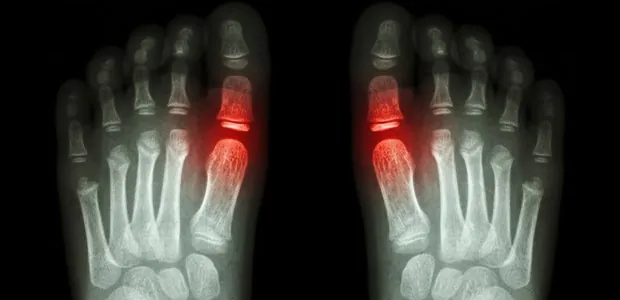
People with gout have too much uric acid in the blood, causing uric acid crystals to build up in the joints where they cause pain and swelling. An effective gout diet restricts foods containing purines, which break down into uric acid in the body, while providing the nutrients you need to stay healthy. You can also include specific foods that help the body remove uric acid from the blood more efficiently, and you should restrict foods and beverages that hamper this natural process.
Benefits of a Gout Diet
While diet alone can’t completely treat or cure the condition, a gout sufferer often finds significant relief from a properly designed meal plan. The primary benefit of a gout diet is the reduction of gout attacks. A good gout diet will also help you lose weight or maintain a healthy weight, which is important because being overweight or obese increases the risk of having frequent gout attacks.
Food and drink choices
| Focus | A practical approach |
|---|---|
| Meals | Build meals around vegetables, whole grains, and suitable protein portions. |
| Protein choices | Discuss low-fat dairy and plant proteins; limit organ meats and review portions of meat and seafood. |
| Drinks | Make water a routine choice. Limit alcohol and drinks sweetened with high-fructose corn syrup. |
| Weight changes | Aim for gradual, sustainable changes rather than crash diets. |
| Treatment | Keep the food plan alongside prescribed treatment and follow-up. |
Mayo Clinic’s gout-diet guidance emphasizes balanced meals, suitable portions, and limits on alcohol and selected foods. Discuss the plan with your clinician, especially if kidney disease or another condition affects food or fluid choices.
Creating a Diet Plan to Combat Gout
A gout diet menu plan will contain plenty of fruits, vegetables, whole grains, and low-fat dairy with occasional additions of a few other foods. The first focus of a gout diet plan is purine restriction, so cutting out or severely limiting consumption of most animal products particularly fatty fish, red meat, shellfish, and organ meats is essential.

Many gout sufferers can handle four to six ounces of lean meat, fish, or poultry a day, but some people find they have to cut out these foods as well. Asparagus and dried beans can also be high in purines, so limiting or eliminating your consumption is important. You should also restrict saturated fat because it reduces the body’s ability to get rid of uric acid buildup.
In some cases, what you can eat depends on whether you’re currently in the midst of a gout attack stricter control is necessary when an attack is in progress.
Drinks for a Gout Diet
Drinking adequate water is an important part of controlling gout, so water should be your beverage of choice when following a gout diet. In fact, dehydration is actually a risk factor for a gout attack. Try to drink at least eight to sixteen glasses of water a day. One to two five-ounce glasses of wine may be fine normally, but alcohol should be completely avoided during an attack of gout.

Milk and other dairy products can help the body eliminate uric acid, but you should stick with low-fat versions to minimize your saturated fat intake. If you enjoy coffee, you’re in luck. Recent studies published in the “American Journal of Clinical Nutrition” and “Arthritis and Rheumatism” found that coffee consumption reduces gout incidence in both women and men.
Drinks high in vitamin C, such as orange juice, are also a good beverage option for gout sufferers. Always choose 100 percent fruit juice to reap the most benefits. Avoid sodas and other drinks sweetened with high-fructose corn syrup, but artificially sweetened diet sodas seem to have no impact on gout and can have a place in a gout diet.
Putting meals together
| Meal | An example to adapt |
|---|---|
| Breakfast | Oatmeal, berries, and plain low-fat yogurt. |
| Lunch | Vegetable soup, whole-grain bread, and a side salad. |
| Dinner | A vegetable-and-grain bowl with a protein portion suited to your plan. |
| Snack | Whole fruit or plain low-fat yogurt. |
These are meal ideas, not prescribed portions. Match them to your appetite, medicines, and any other dietary needs.
Difficulties and Dangers
In general, a gout diet is a healthy, balanced diet, so no particular dangers are associated with eating for gout. In fact, individuals without gout can potentially benefit from a gout diet, making it easier to get family members and friends on board with a household diet plan. However, giving up much-loved foods can be difficult, so it’s a good idea to plan out your meals, eat frequent smaller meals instead of one or two large meals a day, and stock up on healthy, gout-friendly foods so that you don’t resort to problematic foods when you’re hungry.
Food myths and common questions
Common Myths about Eating for Gout
While a gout diet can be restrictive, some foods are just fine for gout sufferers despite myths that surround them. Many people misconstrue acidic foods as contributing to uric acid buildup in the blood, but the two are unrelated. Acidic foods, including tomatoes, oranges, and lemons, don’t affect gout at all, so enjoy them as much as you like.
Dairy products are also healthy foods you can include in a gout eating plan. You can even add in beans occasionally, as long as you aren’t having them every day. If you’re already a healthy weight and not currently in the midst of a gout attack, you can have an occasional dessert or a rich main dish without worrying about having a follow-up attack.
Recipes and meal ideas
Healthy Recipes for Gout
Finding healthy gout diet menu recipes is fairly simple because most vegetarian and vegan dishes fit easily into a gout diet plan. Try making a soup by pureeing cooked carrots and sweet potatoes, which are both low-purine vegetables, and adding in some curry and ginger to taste. If you’re craving meat and want to minimize its effects, opt for chicken seasoned with lemon, thyme, and sage roasted in a pan with chopped potatoes, turnips, and carrots. Other dishes to try include:
Cucumber and yogurt salad
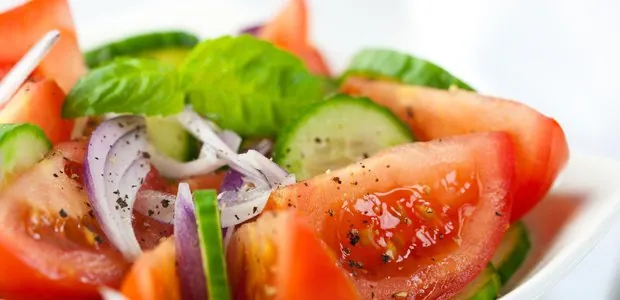
Make a refreshing cucumber salad by combining plain low-fat yogurt with a peeled, quartered, and sliced cucumber, chopped fresh mint, crushed garlic, and a touch of salt.Parmesan and herb noodles
Toss cooked noodles with grated Parmesan cheese, garlic, chopped coriander, a touch of olive oil, and salt and pepper to taste.Vegetable ragout
Quickly cook chunks of onion and bell pepper in some olive oil in a Dutch oven. Add red wine, golden raisins, a touch of brown sugar, salt and pepper, and a dash of red wine vinegar. Cover and let simmer for 45 minutes for a satisfying and healthy vegetable ragout.