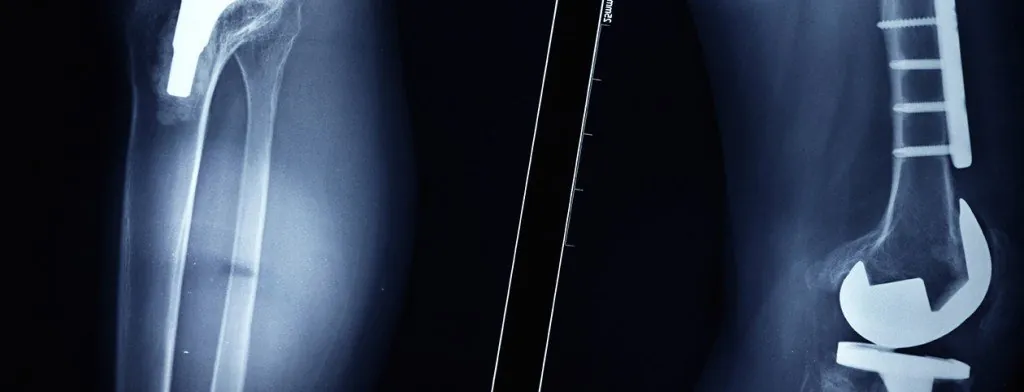
Knee replacement surgery can provide relief from chronic joint pain and can make it easier for you to sit, stand, and move around. If knee replacement surgery is on your schedule, you may be wondering what to expect immediately afterward and how long you need to wait before resuming normal activities. The answers depend not only upon the type of surgery you plan to have but also upon your own medical history, how well you take care of yourself when you get home and whether you seek out any kind of physical rehabilitation.
Explore this guide
Read on to learn more and to prepare for your own knee replacement recovery time.
Knee replacement recovery at a glance
Before surgery: prepare the home
Arrange help, clear walking routes, and establish how you will reach the bathroom and sleeping area with a walking aid.
Discharge: meet functional goals
AAOS describes same-day discharge for outpatient surgery or a typical hospital stay of 1–4 days. Safe transfers, walking, pain control, and a home plan matter.
Early home recovery: practice and support
Follow the prescribed exercises and wound-care instructions. Record questions about swelling, pain, and everyday tasks for the care team.
Return to activities: review each task
Driving depends on medication, strength, and reflexes. Work depends on job demands. Ask for separate advice about lifting, kneeling, and sports.
AAOS explains discharge goals and the return to activities after total knee replacement. Keep your own surgeon’s and physiotherapist’s instructions with this timeline.
Your Treatment Plan
Knee replacement surgery, which was first performed in 1968, is widely regarded as a safe and effective procedure. According to figures from the Agency for Healthcare Research and Quality, over 600,000 knee replacement surgeries are performed in America each year. Sometimes, patients undergo partial knee-replacement surgeries; on other occasions, they receive full knee replacements. Your own treatment plan will depend upon your medical history, the level of discomfort, and the advice of your orthopedic surgeon.
Knee Replacement Surgery in a Nutshell
During surgery, metal and plastic components are used to repair the damaged knee joint. Damaged cartilage surfaces and bone spurs are removed and replaced with special implants and a spacer to recreate a healthy joint. Your surgeon may also resurface your patella. You are unique, so your particular procedure will be slightly different from procedures performed on other patients. Certain aspects of knee surgery are pretty standard across the board, however, and if you familiarize yourself with them, you may find it easier to recover afterward.
Partial Knee Replacement
If you’ve had a unicompartmental knee replacement, which is also known as a partial knee replacement, recovery time may be reduced. During a partial knee replacement, only a certain portion of the knee joint is replaced. If you feel you may be a suitable candidate for unicompartmental knee replacement surgery, you may wish to discuss the option with your orthopedic surgeon.
What to Expect Immediately After Surgery
After your knee surgery, you will probably stay in hospital for several days. Usually, patients are encouraged to begin physiotherapy about a day after their procedures take place. Physical therapy is a very important part of the healing process and is essential if you plan to reduce your knee replacement recovery time. Don’t have insurance? Getting physical therapy without insurance doesn’t have to be that bad. By being a good patient you can limit the number of visits you need. That means treating your exercises and regiment like it’s your job! You can also occasionally negotiate discounts if paying on a cash basis.
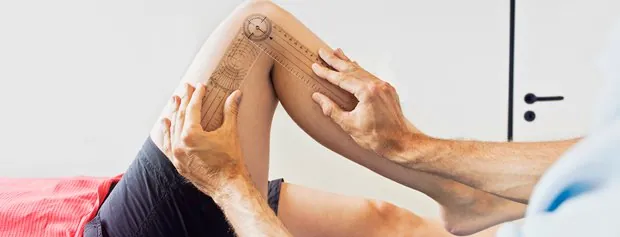
A physiotherapist will teach you beneficial joint exercises and will work with you to draft a short- and long-term-recovery action plan. Because of the smaller incision, minimally invasive knee replacement recovery time may be shorter than the healing time associated with a regular knee replacement procedure. If you’ve had a bilateral knee replacement, recovery time may be extended—after all, both your knees have had a major overhaul.
Short-Term Recovery
Stocking up on wound-care supplies in advance of your surgery may make it easier to care for your incision when you get home. Before you are discharged, your doctor or nurse will give you important instructions about wound care. If you follow them, your incision will most likely heal quickly. You’ll also need to perform specific physical therapy exercises. Staying active is important after knee replacement surgery. Many patients find that they can resume normal activities after three to six weeks, and most people are able to drive again after four to six weeks. On average, short-term recovery from knee replacement surgery takes between six to twelve weeks.

Long-Term Recovery
Your total knee replacement recovery time will depend upon a variety of factors, including the amount of exercise you do. Gradually increase your physical activity to strengthen your new knee. When you feel able to do so, try walking outside for longer distances.
As the name suggests, long-term healing takes time. Your incision, the muscles connected to your knee, and your internal soft tissues need time to regenerate and settle into position, and over time, you’ll begin to feel significantly better than you did before your operation took place. At that point, you can consider yourself recovered. Most individuals reach this stage between three and six months after their knee replacement surgeries.
Planning your next stage of rehabilitation
It’s important to remember that the recovery time for knee replacement surgery is dependent upon your overall health as well as the type of procedure performed. When you are fully recovered, you can participate in a selection of different sports. However, to ensure the longevity of your new knee, avoid activities like running and high-impact sports. There are plenty of ways to get relief to knee pain that you will likely experiencing when bending or playing sports.