

Bay Area addiction treatment ranges from city-based outpatient programs to small residential centers in Marin and the Santa Cruz Mountains. The seven providers below differ in treatment setting, group size, and how care can continue after a residential stay. Location names refer to the actual service area, including Hollister south of the core Bay Area.
1. New Bridge Foundation
- Location
- Berkeley, East Bay
- Format
- Detox, residential, and intensive outpatient care
- Focus
- Shorter and longer residential programs
New Bridge Foundation offers a continuum of addiction services in Berkeley. Helios is its shorter residential program, while START provides a longer residential option. Intensive outpatient care can take place in person or virtually. Having different program lengths within one organization can help with planning, but placement should follow assessment rather than simply choosing the shortest available stay. Ask how a transition between programs would work and what insurance authorizes.
2. Bayside Marin
Verified- Location
- San Rafael, Marin County
- Format
- Residential, detox, and intensive outpatient care
- Focus
- Adult addiction and co-occurring conditions
Bayside Marin treats adults through residential and outpatient programs in San Rafael. The residential setting includes its mountainside and canyonside properties. Its wider services include tracks for particular communities, including veterans and first responders. The San Rafael intensive outpatient program offers a local continuation route after higher-intensity care, with morning and evening scheduling described in its program information.

3. Bright Future Recovery
- Location
- Hollister, San Benito County
- Format
- Detox and residential addiction treatment
- Focus
- Substance use and co-occurring mental health needs
Bright Future Recovery’s Hollister program serves people looking south of the Bay Area for treatment. The organization describes medical detox, residential care, and further outpatient options across its services. Establish which levels are available at the specific location you are considering, rather than assuming every campus offers the whole network’s menu. Its published insurance exclusions are particularly relevant when deciding whether to pursue admission.
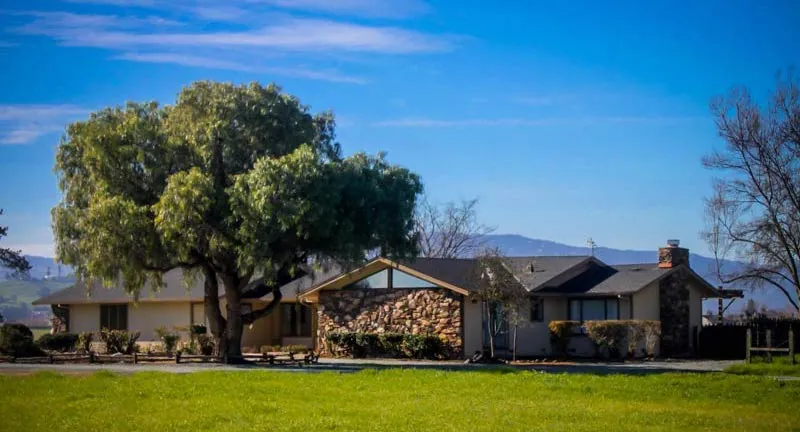
4. Reflections
- Location
- Novato, Marin County
- Format
- Small residential treatment settings
- Focus
- Addiction, mental health, and executive needs
Reflections has two Novato locations, including its Simmons Executive property. The executive setting accommodates up to six clients and offers private bedrooms and bathrooms. Work-related access to phones and laptops is permitted at Simmons. These practical details may matter to someone arranging time away from work, but the admissions discussion should still establish the clinical schedule and whether staying connected is compatible with the treatment plan.
5. Alta Mira Recovery
- Location
- Sausalito, Marin County
- Format
- Adult residential treatment
- Focus
- Addiction with co-occurring psychiatric needs
Alta Mira combines residential addiction treatment with assessment of mental health and medical needs in Sausalito. Its assessment process can involve psychiatric, psychological, and neuropsychological evaluation. The program also describes ongoing alumni support after discharge. When comparing it with a shorter detox stay, ask which assessments are recommended for you and how the findings will inform continuing care.
6. Ohlhoff Recovery Programs
- Location
- San Francisco
- Format
- Primary residential, longer residential, and outpatient care
- Focus
- Recovery alongside work and daily responsibilities
Ohlhoff’s Skip Byron Primary Program offers a stay of up to 30 days and includes nonmedical detox services. Its longer residential programs offer three- or six-month options, with clinical work scheduled in evenings and on weekends so residents can maintain employment. Outpatient services include adults and adolescents. Nonmedical detox is a specific limitation: admissions should assess whether medical withdrawal care elsewhere is needed first.
7. Wellness Retreat Recovery Center
- Location
- Santa Cruz Mountains, between San Jose and Santa Cruz
- Format
- Small residential program and detox
- Focus
- Individualized addiction treatment
Wellness Retreat Recovery Center describes a six-client setting in the hills between San Jose and Santa Cruz. Treatment combines individual and group clinical work with several recovery frameworks, including SMART Recovery and Refuge Recovery. Its small size is useful to compare with a larger campus, particularly for someone who wants fewer fellow residents. Discuss the transition from detox into therapy and the follow-up plan after returning home.
Frequently asked questions
What is the time commitment for Bayside Marin’s outpatient program?
Bayside Marin’s San Rafael IOP is described as a ten-week program with three group sessions and one individual session each week. Morning and evening groups are offered. This gives a more useful planning baseline than the word “outpatient” alone; confirm the current timetable and whether it fits work, transport, and other treatment appointments.
Can I keep working while in a residential program?
Ohlhoff’s longer residential programs schedule clinical services in the evenings and on weekends so residents can maintain employment. That arrangement differs from a primary residential program with a full daytime treatment schedule. Ask about work hours, travel rules, housing fees, and the expectations for remaining in the program before assuming any residential stay can accommodate a job.
Which programs take Medi-Cal?
Bright Future Recovery states that it does not accept Medi-Cal or Medicare, and Ohlhoff also excludes Medi-Cal and Medicare. These are provider-specific limits, not a statement about every program in this guide. If those are your coverage options, contact your county’s substance use access service or SAMHSA’s referral helpline for participating services rather than beginning with a private-pay reservation.
How small are the smaller residential settings?
Reflections’ Simmons Executive property accommodates six clients, and Wellness Retreat Recovery Center also describes a six-client program. A smaller resident group is not the same as one-to-one clinical staffing. Ask separately how many individual therapy appointments are scheduled, which clinicians are on site, and how overnight medical needs are handled.
What happens after a stay in Marin?
Alta Mira describes weekly alumni support and quarterly on-site workshops, while Bayside offers a San Rafael intensive outpatient option. These are different kinds of follow-up: alumni contact is not equivalent to a clinical treatment schedule. Before discharge, establish the next clinician, medication arrangements if needed, and a plan that you can attend from home.