
Stroke recovery may require help with walking, using an arm, speaking, swallowing, memory, and everyday tasks. A rehabilitation assessment identifies which difficulties need treatment and the level of medical support required.
The five centers below provide different routes into rehabilitation. Compare the relevant stroke program and discharge support, rather than assuming that the best-known hospital is automatically the best fit.
1. Shirley Ryan AbilityLab
- Location
- Chicago, Illinois
- Care format
- Inpatient and continuing rehabilitation
- Focus
- Stroke recovery; communication and daily activities
Formerly Rehabilitation Institute of Chicago, Shirley Ryan AbilityLab offers stroke-specific rehabilitation with education and resources for patients and families. Its stroke services include support for daily activities and access to psychology services alongside rehabilitation.
For a stroke survivor, ask how the team will address the combination of movement, communication, swallowing, and thinking difficulties present in that individual case. Caregiver education is also important when planning the transition home.
2. TIRR Memorial Hermann
- Location
- Houston, Texas
- Care format
- Inpatient and outpatient stroke rehabilitation
- Focus
- Movement, self-care and communication
TIRR’s stroke rehabilitation program combines medical and nursing care with rehabilitation therapies and support for patients and families. Its published stroke program materials describe a continuum that includes outpatient rehabilitation after an inpatient stay.
Ask how the team coordinates physical therapy, occupational therapy, and speech-language services, and how it will prepare family members to assist safely. The plan after discharge matters as much as the initial therapy schedule.
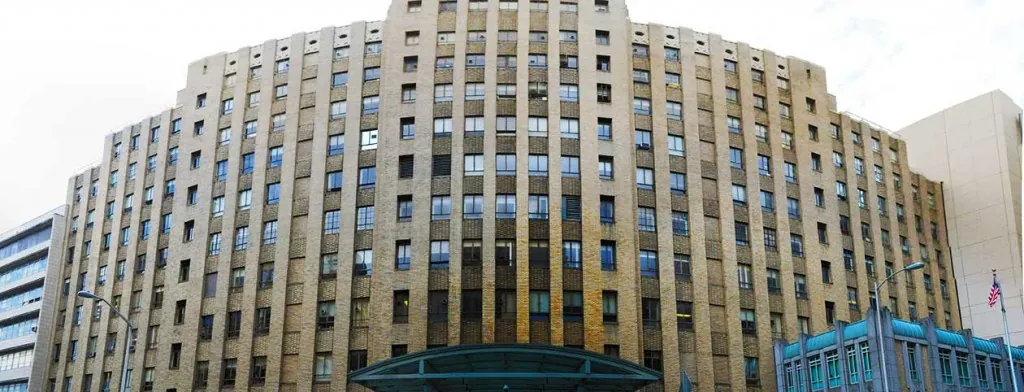
3. UW Medicine at Harborview
- Location
- Seattle, Washington
- Care format
- Acute stroke care and inpatient rehabilitation
- Focus
- Hospital treatment through recovery planning
Harborview’s inpatient rehabilitation unit treats people who have had a stroke or traumatic injury and need intensive rehabilitation. UW Medicine also provides acute stroke services, but emergency treatment and rehabilitation are different stages of care.
For a transfer after stabilization, ask specifically for a rehabilitation assessment. The team can determine whether inpatient rehabilitation, a less intensive facility, home services, or outpatient therapy is the appropriate next step.
4. Mayo Clinic
- Location
- Rochester, Minnesota
- Care format
- Rehabilitation coordinated with specialist care
- Focus
- Recovery after stroke and neurological illness
Mayo’s rehabilitation specialists coordinate care with physical therapists, occupational therapists, and other professionals. For a person recovering from stroke, the rehabilitation plan needs to connect mobility and daily-life goals with the ongoing medical treatment plan.
Confirm which Rochester service will assess the patient, whether an inpatient transfer or outpatient appointment is appropriate, and how follow-up recommendations can be implemented near home. Do not assume that a general appointment request establishes insurance approval for a rehabilitation stay.
5. Craig Hospital
- Location
- Englewood, Colorado
- Care format
- Specialist neurorehabilitation
- Focus
- Brain injury and selected stroke cases
Craig’s neurorehabilitation information includes stroke among the conditions within its broader brain and spinal cord injury specialty. This is a specialized rehabilitation setting, so admission depends on how the individual’s neurological and medical needs fit the program.
Have the referring team describe the stroke, current abilities, nursing needs, and recovery goals. Ask which services would address communication, cognition, movement, and caregiver training for this particular patient.
Frequently asked questions
When should stroke rehabilitation begin?
Rehabilitation planning begins during the hospital stay, once the medical team determines what activities are safe. The plan should reflect the type of stroke, medical stability, fatigue, and the person’s ability to participate.
A 2021 NIH report on a 72-person study found that an additional course of arm-and-hand therapy produced the greatest benefit when started two to three months after stroke. Participants also received standard rehabilitation; the finding is not a reason to delay initial care.
Does recovery stop after the first few months?
No fixed date marks the end of everyone’s recovery. The National Institute of Neurological Disorders and Stroke describes rehabilitation as a way to relearn skills and develop strategies for remaining difficulties. The type and extent of recovery differ with the injury and the person’s health.
Track specific abilities over time—such as getting dressed with less help, walking safely, or communicating a need. If progress slows, ask the team to reassess goals, pain, mood, fatigue, equipment, and whether the current therapy plan still addresses the main barriers.
What do physical, occupational, and speech therapists each do?
Within the rehabilitation team, physical therapy works on movement, balance, walking, and transfers. Occupational therapy addresses everyday activities such as dressing, bathing, preparing food, and adapting tasks or the home. Speech-language therapy can address communication and swallowing difficulties.
Stroke can affect several of these areas at once. Ask for a coordinated plan with shared functional goals, rather than judging a program by the number of therapy appointments alone.
How much therapy is provided in an inpatient stroke rehabilitation program?
For Medicare-covered inpatient rehabilitation, CMS generally describes at least three hours of therapy per day on five days a week, or at least 15 hours across seven consecutive days in certain documented cases. The patient must be expected to participate in and benefit from the intensive program.
If that intensity is not currently suitable, ask about another care setting and when reassessment should occur. A shorter daily schedule does not mean that rehabilitation has no value.
What should the family arrange before the patient goes home?
Request a written discharge plan covering medications, follow-up appointments, therapy, equipment, and who to call with concerns. Practice transfers and other hands-on tasks with the team before discharge. Ask about swallowing instructions, communication aids, fall prevention, and bathroom access where relevant.
Confirm the actual help available at home, including evenings and weekends. If stairs, transport, or caregiver capacity make the plan impractical, raise this before discharge so the team can discuss alternatives.