
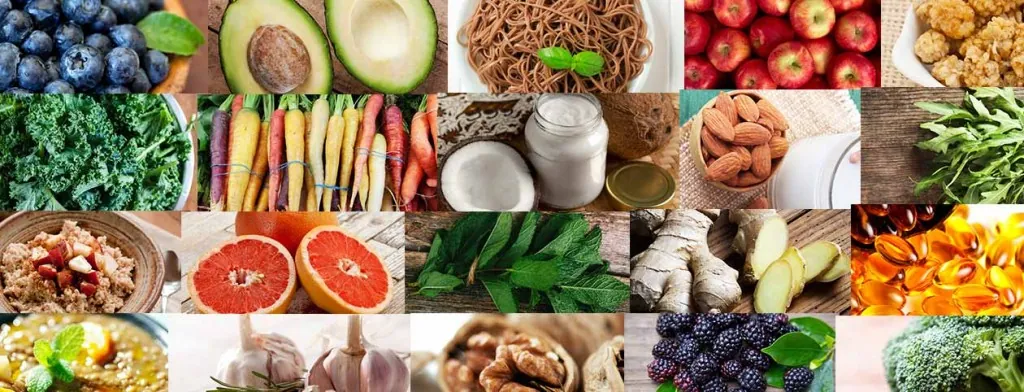
A useful superfoods list should help you decide what to buy, how to prepare it, and where it fits into a meal. Familiar foods such as lentils, oats, carrots, and apples deserve as much attention as expensive powders or hard-to-find berries.
Explore 50 colorful ingredients, their possible benefits, and easy ways to enjoy them. Alongside nutrition, this guide includes traditional uses and emerging research.
Start with what you will actually eat
- Build a meal: choose vegetables or fruit, a protein food, and a grain or other satisfying base.
- Make it practical: keep a few reliable fresh, frozen, and pantry options on hand.
- Compare the right thing: portions, preparation, added sugar, sodium, and fortification matter more than a “superfood” label.
Explore this guide
13 entries
Fruit: everyday color and fiber
Choose fruit you enjoy and can use before it spoils. Whole fruit provides fiber that strained juice leaves behind; dried fruit is more concentrated, so a smaller amount goes further.
01 Papaya

Papaya brings tropical sweetness, vitamin C, fiber, and colorful carotenoids to the table. Enjoy it ripe and fresh, with a squeeze of lime to balance the sweetness.
Possible benefits
- Vitamin C supports normal immune function and collagen formation.
- Fiber and fluid contribute to digestive regularity.
Try it: Scoop out the seeds, cube the flesh, and serve with lime or plain yogurt.
02 Black raspberries

Deeply colored black raspberries contain anthocyanins and other plant compounds, alongside the fiber in the whole berry. Their intense flavor works just as well in a breakfast bowl as it does eaten by the handful.
Possible benefits
- Fiber contributes to digestive health.
- Anthocyanins and other polyphenols have antioxidant activity.
Try it: Fold into oatmeal or yogurt; use frozen berries in a quick fruit compote.
03 Pineapple

Pineapples are a digestive cocktail shaken in a spiny tumbler: juicy flesh, dietary fiber, vitamin C, and the protein-digesting enzyme bromelain.
Possible benefits
- Vitamin C supports collagen formation and normal immune function.
- Fiber and water contribute to a varied, digestion-friendly diet.
Try it: Add chunks to a bean salad or use them in a fruit bowl. Choose canned fruit in juice rather than syrup when practical.
04 Grapefruit

Grapefruit supplies vitamin C, but it can interact with some medicines. Ask a pharmacist about your specific medication before making it a daily habit; separating it from a dose is not a universal solution.
Possible benefits
- Vitamin C supports normal immune function.
- Whole segments contribute fiber alongside their refreshing flavor.
Try it: Serve segments in a salad if grapefruit is compatible with your medicines.
05 Avocado

Before you pass on guacamole because of its fat content, consider what this creamy fruit contributes: mostly unsaturated fats, along with fiber. It can give salads, sandwiches, and grain bowls more substance.
Possible benefits
- Unsaturated fats can help lower LDL cholesterol when they replace saturated fats.
- Fiber adds substance to meals and supports regularity.
Try it: Mash onto toast, blend into a dressing, or add slices to beans and vegetables.
06 Blueberries

Pop them like candy, stir them into breakfast, or keep a bag in the freezer. Blueberries bring fiber and anthocyanins, and their possible effects on brain health are an active area of research.
Possible benefits
- Fiber contributes to digestive health.
- Possible cognitive benefits: a small 90-day trial in older adults found improvements on some thinking tasks with blueberry powder.
Try it: Keep frozen blueberries for oatmeal, yogurt, or pancakes; follow any cooking instructions on the package.
07 Dried mulberries

Chewy dried mulberries make a sweet addition to cereal or trail mix. Drying concentrates the fruit, so use the nutrition label for the dried product rather than applying a fresh-fruit calorie figure.
Possible benefits
- Contribute fiber to a snack or breakfast.
- Their concentrated sweetness can make a small portion a useful topping.
Try it: Use a small topping on cereal or mix with nuts; check the label for added sugar.
08 Apples

An apple makes a crisp, portable snack with fiber and natural sweetness. Keep the skin on when you enjoy it, and pair it with nuts or yogurt for a more substantial snack.
Possible benefits
- Fiber supports digestive regularity.
- The whole fruit adds water, crunch, and volume to a snack.
Try it: Wash and slice with the skin on, or cook into oats with cinnamon.
09 Goji berries

Goji berries, also called wolfberries or gou qi zi, have a long history in Asian food and medicine. Their chewy texture and sweet-tart flavor make them an easy addition to soups, oatmeal, or a trail mix.
Possible benefits
- Traditional use: Chinese medicine uses goji with other botanicals for poor vision and other complaints.
- Carotenoids and polysaccharides are being studied for possible antioxidant and immune effects.
Try it: Sprinkle into oatmeal or trail mix. Goji can interact with warfarin; check with your care team before adding it if you take that medicine.
10 Pomegranates
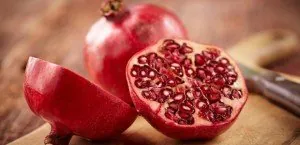
Pomegranate arils bring jewel-like color, crunch, and a sweet-tart burst to a meal. They supply fiber as well as plant compounds; juice has a different nutritional profile and usually much less fiber.
Possible benefits
- The arils provide fiber for digestive regularity.
- Possible cardiovascular benefits: juice and extract studies suggest a blood-pressure effect.
Try it: Scatter arils over a grain bowl, yogurt, or roasted vegetables.
11 Kiwi

Kiwi provides vitamin C and fiber. The whole fruit is an easy way to vary breakfast or snacks; individual tolerance matters if you are changing your fiber intake or have a fruit allergy.
Possible benefits
- Vitamin C contributes to normal immune function.
- Fiber and water help support bowel regularity.
Try it: Halve and scoop, or slice into a fruit salad.
12 Mango

Mango brings tropical sweetness, vitamin C, and carotenoids. Its flavor works in everything from a cooling yogurt bowl to a bright salsa with onion and lime.
Possible benefits
- Vitamin C supports collagen formation and helps the body absorb iron from plant foods.
- Carotenoids contribute to its nutritional value and vivid color.
Try it: Dice into a salsa with onion and lime, or use frozen mango in a yogurt bowl.
13 Oranges

A whole orange provides vitamin C and fiber. Orange juice can contribute nutrients too, but it is easier to drink a large amount and it usually contains much less fiber.
Possible benefits
- Vitamin C supports normal immune function and collagen formation.
- The whole fruit supplies fiber that most juice provides in much smaller amounts.
Try it: Pack a whole orange as a snack, or add peeled segments to a salad.
9 entries
Vegetables: build variety into meals
Mix leafy greens, crunchy vegetables, and starchy vegetables across the week. Fresh, frozen, and suitable canned options can all make meals easier to put together.
14 Spinach
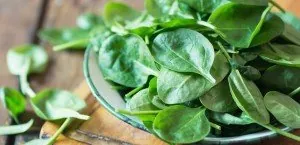
Spinach contributes folate, vitamin K, and carotenoids. Raw and cooked portions differ substantially in volume. If you use warfarin, keep vitamin K intake consistent and discuss changes with your care team rather than avoiding all greens.
Possible benefits
- Vitamin K contributes to normal blood clotting and bone health.
- Folate supports normal cell growth; carotenoids add to its nutrient mix.
Try it: Stir a handful into soup, eggs, or lentils near the end of cooking.
15 Seaweed
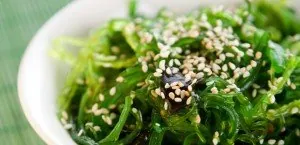
Seaweed can provide iodine, but the amount varies greatly by species and product. Too much iodine can also affect thyroid function; a large daily kelp habit is not a dependable way to meet your needs.
Possible benefits
- Iodine supports the production of thyroid hormones.
- Adds variety and savory flavor to vegetable and grain dishes; iodine content varies widely.
Try it: Use a little nori with rice or vegetables, and check labels on seaweed snacks and supplements.
16 Tomatoes

Tomatoes bring vitamin C and lycopene, a carotenoid pigment. Fresh tomatoes, cooked sauce, and canned tomatoes each have a place; the best choice often depends on the recipe and the sodium in the product.
Possible benefits
- Vitamin C contributes to normal immune function.
- Lycopene has antioxidant activity and is being studied in relation to health.
Try it: Add chopped tomatoes to beans, or use no-salt-added canned tomatoes as a sauce base.
17 Broccoli
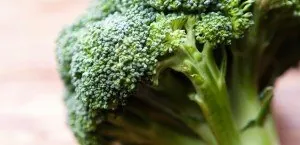
Like many leafy and cruciferous vegetables, broccoli brings several benefits to one plate. It supplies fiber and vitamins C and K, along with glucosinolates that form compounds such as sulforaphane.
Possible benefits
- Fiber supports digestive regularity, while vitamin C supports normal immune function.
- Contains glucosinolates, which form bioactive compounds such as sulforaphane during preparation and digestion.
Try it: Steam until just tender or roast with olive oil and garlic.
18 Arugula
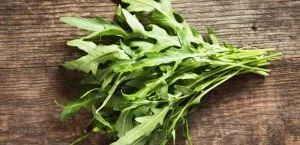
Peppery arugula gives salads and sandwiches a little bite. This leafy member of the cruciferous family contributes vitamins and plant compounds without needing much preparation.
Possible benefits
- Vitamin K contributes to normal clotting and bone health.
- Its strong flavor can make it easier to add leafy greens to an everyday meal.
Try it: Use as a salad base or add a handful to a sandwich or cooked grain bowl.
19 Carrots

Carrots provide beta-carotene, which the body can convert to vitamin A, as well as fiber. They work both raw and cooked: use them for crunch in a snack or salad, or for sweetness and texture in roasted dishes and soups.
Possible benefits
- Beta-carotene can be converted to vitamin A, which supports normal vision and immune function.
- Fiber contributes to digestive health.
Try it: Keep carrot sticks ready for a snack, or roast pieces alongside other vegetables.
20 Kale
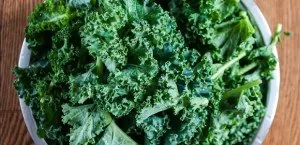
A familiar superfoods favorite, kale contributes vitamins C and K and carotenoids. Thinly sliced leaves work in salads, while gentle cooking softens the texture for soups and warm grain dishes.
Possible benefits
- Vitamin C contributes to collagen formation.
- Vitamin K supports normal blood clotting and bone health.
Try it: Remove tough stems, slice thinly, and cook into soup or massage with dressing for a salad.
21 Brussels sprouts

Brussels sprouts provide fiber and vitamin C. Roasting gives them a different texture and flavor from boiling, which can make them worth trying again if you disliked them before. Frozen sprouts are another practical option.
Possible benefits
- Fiber supports digestive regularity.
- Vitamin C contributes to normal immune function; glucosinolates add to their plant-compound profile.
Try it: Halve and roast until browned, then finish with lemon or a little mustard.
22 Sweet potato

Orange-fleshed sweet potatoes provide beta-carotene and also contribute fiber. They are a starchy vegetable, so how they fit into a meal differs from a handful of leafy greens.
Possible benefits
- Beta-carotene supports vitamin A intake for normal vision and immune function.
- Fiber and carbohydrate make it a satisfying base or side dish.
Try it: Bake and fill with lentils and yogurt, or roast cubes for a grain bowl.
3 entries
Nuts and seeds: a little adds substance
Nuts and seeds provide fats, protein, and other nutrients in a compact portion. Choose forms that fit your allergies and preferences; a generous topping is different from a large bowl.
23 Brazil nuts

Brazil nuts are exceptionally rich in selenium. NIH reports roughly 68–91 micrograms per nut, compared with an adult recommended intake of 55 micrograms a day. Regularly eating large amounts can supply too much.
Possible benefits
- Selenium supports thyroid function and antioxidant enzymes.
- Unsaturated fats can contribute to a heart-healthy eating pattern; the unusually high selenium content makes portion size important.
Try it: Use sparingly for variety rather than as a daily handful or alongside a selenium supplement without checking your intake.
24 Walnuts

Walnuts provide unsaturated fat and the plant omega-3 ALA. ALA is not the same as the EPA and DHA in fish; the body converts only small amounts to those forms.
Possible benefits
- May improve cholesterol: a two-year trial in older adults found lower LDL cholesterol with daily walnuts.
- Provide the essential plant omega-3 fat ALA, alongside protein and fiber.
Try it: Chop into oatmeal, salads, or yogurt, or pair a small portion with fruit.
25 Hemp seed
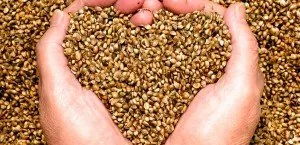
Hulled hemp seeds have a mild, nutty flavor and bring protein and unsaturated fats to a meal. Sprinkle them over finished dishes when you want extra substance without another cooking step.
Possible benefits
- Plant protein contributes to tissue maintenance and repair.
- Unsaturated fats add essential fatty acids to the diet.
Try it: Sprinkle over soup or cereal, or blend into a dressing.
3 entries
Lentils and grains: practical meal foundations
These foods do more work as part of a meal than as an isolated supplement. Batch cooking and simple pantry staples can make it easier to eat consistently.
26 Lentils

Lentils bring both plant protein and fiber. They can form the base of a meal rather than a small garnish. Increase portions gradually if you are not used to eating legumes.
Possible benefits
- Fiber supports digestive regularity.
- Plant protein helps make meals substantial, while replacing some meat with legumes can fit a heart-healthy eating pattern.
Try it: Simmer into soup, use cooked lentils in a salad, or stir them into a tomato sauce.
27 Oatmeal
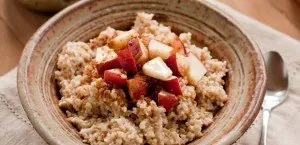
Oats provide whole-grain fiber, including beta-glucan. Plain oats let you choose the sweetness and toppings. Dry oats and cooked oatmeal have very different water content, so compare nutrition figures for the form you actually eat.
Possible benefits
- Oat beta-glucan, a soluble fiber, can help lower LDL cholesterol as part of a suitable eating pattern.
- Whole-grain fiber and a warm, filling texture make oats a useful breakfast foundation.
Try it: Cook with milk or a suitable alternative, then add fruit and nuts.
28 Buckwheat pasta

Buckwheat can add variety to grain dishes, but soba and other buckwheat noodles often contain wheat. Fiber and protein depend on the recipe, and a buckwheat name alone does not establish that a product is whole grain or gluten-free.
Possible benefits
- Can contribute plant protein and fiber; the amount depends on the noodle recipe.
- Offers another way to combine grains, vegetables, and protein in a satisfying meal.
Try it: Read the ingredient list, then serve with vegetables and a protein source. If gluten must be avoided, choose a product labeled gluten-free.
Compare fiber in familiar foods
Fiber is one useful comparison—not a complete nutrition score. This chart holds food weight constant at 100 grams (about 3.5 ounces). That is a comparison unit, not a recommended portion: 100 grams of walnuts is a much larger snack than most people would choose, while cooked oatmeal contains much more water than dry oats.
Food composition · USDA reference data
Fiber across nine everyday foods
Showing all 9 foods · grams of fiber per 100 g
View all data and preparation details
| Food and preparation | Fiber (g) |
|---|---|
| Lentils, mature seeds, cooked, boiled, without salt | 7.9 |
| Nuts, walnuts, english | 6.7 |
| Avocados, raw, all commercial varieties | 6.7 |
| Pomegranates, raw | 4.0 |
| Broccoli, cooked, boiled, drained, without salt | 3.3 |
| Carrots, raw | 2.8 |
| Apples, raw, with skin (Includes foods for USDA’s Food Distribution Program) | 2.4 |
| Blueberries, raw | 2.4 |
| Cereals, oats, regular and quick, unenriched, cooked with water (includes boiling and microwaving), without salt | 1.7 |
The axis stays at 0–8 grams when you filter, so bar lengths remain comparable. The full table includes every food. Download the data (CSV).
For everyday meals, a portion of lentils, a piece of whole fruit, and a vegetable side can each contribute fiber. NIDDK recommends adding fiber gradually and getting enough fluids. If you have a prescribed low-fiber diet or ongoing digestive symptoms, follow your care team’s advice.
3 entries
Fish, yogurt, and milk alternatives
These foods contribute different nutrients from fruit and vegetables. An absence of fiber does not make a protein food nutritionally unimportant.
29 Wild salmon

Salmon supplies protein and the omega-3 fats EPA and DHA. Both wild and farmed salmon can contribute useful nutrients. FDA lists salmon among its lower-mercury Best Choices.
Possible benefits
- EPA and DHA contribute to the omega-3 fats needed for normal cell function.
- Protein supports muscle maintenance and tissue repair.
Try it: Bake or pan-cook salmon, or use canned salmon in a sandwich or salad.
30 Yogurt

Plain yogurt combines protein and calcium with a cool, creamy texture. Products differ in fat, protein, added sugar, and live cultures, so choose one that suits how you plan to eat it.
Possible benefits
- Calcium supports bone health and protein supports tissue maintenance.
- Live cultures may offer digestive benefits, depending on the specific organisms and product.
Try it: Choose a plain yogurt you enjoy and add fruit; use it as a sauce with herbs and lemon.
31 Almond milk

Almond beverages vary in protein and fortification. Many contain less protein than dairy milk or fortified soy beverages. FDA recommends comparing the labels, including calcium, vitamin D, protein, and added sugar.
Possible benefits
- Fortified products can contribute calcium and vitamin D for bone health.
- Some products also provide vitamin E; the nutrition label shows which nutrients have been added.
Try it: Use an unsweetened, fortified option if it meets your needs, and account for protein elsewhere in the meal.
8 entries
Herbs and spices: make good food taste good
Herbs and spices bring flavor and a long history of traditional use. Here we include both that heritage and possible benefits being explored today, with distinctions between a kitchen ingredient and a concentrated preparation.
32 Garlic

Garlic brings a lot of character to a small bite. Raw cloves are sharp and pungent; gently cooked or roasted garlic turns mellow and sweet. Its long-standing place in food and health traditions has also prompted research on cardiovascular benefits.
Possible benefits
- Possible cholesterol benefits: garlic supplements may modestly lower total and LDL cholesterol in people with high levels.
- Some supplement studies suggest a small blood-pressure benefit in people with hypertension.
Try it: Gently cook chopped garlic in oil before adding vegetables or tomatoes.
33 Black pepper
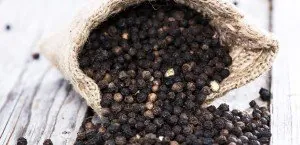
Once a prized trading commodity, black pepper is now a familiar spice that brings warmth and aroma to almost any savory recipe. Its best-known plant compound is piperine.
Possible benefits
- Adds intense flavor without needing a large amount.
- Piperine can increase curcumin absorption in studied formulations.
Try it: Grind over soup, eggs, or roasted vegetables to taste.
34 Ginger

Ginger is a traditional remedy for stomachaches as well as a lively kitchen ingredient. Its warming bite works in soups, stir-fries, and a comforting cup of ginger tea.
Possible benefits
- Traditional use: relief of indigestion and stomach discomfort.
- Possible nausea relief: studies of ginger supplements suggest benefit for pregnancy-related nausea and vomiting.
- Ginger supplements may also reduce the severity of menstrual cramps.
Try it: Grate into a stir-fry, lentil soup, or a warm drink.
35 Peppermint

Peppermint brings a cooling flavor to water, tea, and fruit. Mint plants have been used for digestive complaints since ancient Greece, Rome, and Egypt; the leaves and concentrated oil have different uses.
Possible benefits
- Traditional use: easing digestive discomfort.
- Possible IBS symptom relief: some evidence supports enteric-coated peppermint-oil capsules. Peppermint oil can cause heartburn.
Try it: Add leaves to water or a fruit salad. Do not treat concentrated essential oil as interchangeable with fresh herbs.
36 Parsley
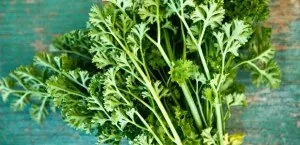
Often used to decorate a dish, parsley deserves a bigger role. Its fresh flavor works in salads, sauces, and grain dishes, and a generous serving contributes more nutrients than a tiny garnish.
Possible benefits
- Vitamin K contributes to normal blood clotting and bone health.
- Using it generously adds leafy-green variety and fresh flavor.
Try it: Chop into a bean salad, yogurt sauce, or grain dish.
37 Cilantro
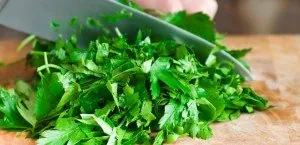
Cilantro adds fresh flavor to beans, vegetables, and soups. The leaves and tender stems can both be used, so a small bunch can stretch across several meals. Add near the end of cooking when you want a brighter flavor.
Possible benefits
- Adds plant variety and fresh flavor to meals.
- A useful way to season beans, vegetables, and soups without relying only on salt.
Try it: Finish a dish with chopped leaves, or blend with lime into a sauce.
38 Onion

Onions provide a flavorful base for many meals and contribute some fiber. They may cause discomfort for some people with IBS, so the right amount depends on tolerance.
Possible benefits
- Contributes some fiber and plant compounds, including flavonoids.
- Builds a flavorful base for vegetable- and legume-rich meals.
Try it: Soften slowly for soups or sauces, or roast wedges alongside vegetables.
39 Turmeric

Turmeric gives curry its golden color and brings an earthy flavor to rice, soups, and lentils. It has a long history in Ayurveda and other traditional medical systems, including use for digestive and skin complaints.
Possible benefits
- Traditional use: digestive discomfort and skin complaints in Ayurvedic and other medical traditions.
- Possible joint-symptom relief: early research on turmeric or curcumin products for knee osteoarthritis is promising.
Try it: Add to lentils, rice, or roasted vegetables. Concentrated, highly absorbable curcumin products have been linked to liver injury.
8 entries
Pantry extras and drinks: choose the role, then the portion
Oils, condiments, treats, and drinks are not interchangeable with a serving of vegetables or a protein food. Look at the amount you use and what it adds to the overall meal.
40 Extra-virgin olive oil

Olive oil is rich in monounsaturated fat and works well in dressings and cooking. Using it in place of a fat higher in saturated fat is different from simply adding extra oil to everything.
Possible benefits
- Monounsaturated fat can help lower LDL cholesterol when used in place of saturated fat.
- Makes vegetables, grains, and legumes more appealing through dressings and cooking.
Try it: Whisk with lemon or vinegar for a dressing, or use a measured amount to roast vegetables.
41 Sauerkraut

Fermented cabbage adds acidity and texture. Sodium can be substantial, and processing affects whether live organisms remain. Not every fermented food contains probiotics with demonstrated health benefits.
Possible benefits
- Contributes cabbage fiber to the diet.
- Unpasteurized products can contain live microbes.
Try it: Use a small topping on a sandwich or grain bowl and compare sodium labels.
42 Dark chocolate

A little treat can be part of eating well, and dark chocolate brings a deep cocoa flavor in a small portion. Cocoa contains flavanols, although processing and the amount of cocoa change what a finished bar delivers.
Possible benefits
- Cocoa flavanols are studied for possible blood-vessel benefits.
- A small portion can bring enjoyment and satisfy a preference for something sweet.
Try it: Enjoy a small portion, or grate a little onto fruit and yogurt.
43 Coconut oil

Coconut oil is high in saturated fat. It is better treated as an occasional flavor ingredient than as a default health upgrade over unsaturated oils. Applying it to skin does not make it a substitute for sunscreen.
Possible benefits
- Traditional use: a moisturizer for dry skin. A small trial found improved skin hydration; coconut oil does not provide dependable sun protection.
- Adds a distinctive flavor to food, although its high saturated-fat content limits its role as a heart-health choice.
Try it: Use when the flavor matters, while keeping the amount and the rest of your dietary fats in mind.
44 Honey

Used as a home remedy for generations, honey is often added to warm drinks to soothe coughs and aching throats. It also brings floral sweetness to food. Never give honey to a child under 12 months because of botulism risk.
Possible benefits
- Traditional use: soothing an irritated throat in a warm drink.
- Possible cough relief: small studies in children over one year old suggest improvement in nighttime cough.
Try it: Drizzle a little over yogurt or stir into a warm drink.
45 Water

Water supports hydration without adding sugar. Fluid needs vary with activity, climate, health, and other drinks and foods; there is no single eight-cup rule that fits everyone.
Possible benefits
- Supports hydration, temperature regulation, and normal body functions.
- Helps fiber work effectively and replaces added sugar when chosen instead of a sweetened drink.
Try it: Keep water available with meals. Follow your clinician’s advice if you have a prescribed fluid limit.
46 Tart cherry juice

Tart cherry juice pairs a bright, sour flavor with anthocyanins and other plant compounds. Its possible benefits for sleep have attracted research interest, making it more than just another smoothie ingredient.
Possible benefits
- Possible sleep benefits: a seven-day trial in 20 adults found improved sleep duration and efficiency with a particular concentrate.
- Provides anthocyanins.
Try it: Check the label and portion, or choose whole cherries when you want fruit and fiber.
47 Green tea

Enjoyed warm or iced, green tea contains catechins and other plant compounds, as well as caffeine. Brewed tea and concentrated green tea extracts differ in both their strength and safety.
Possible benefits
- May help with alertness through its caffeine content.
- Possible cholesterol benefits: studies, many using extracts, suggest small reductions in total and LDL cholesterol.
Try it: Brew to taste and choose a caffeine amount that suits you.
3 entries
Fish oil, spirulina, and wheatgrass
These entries are often enjoyed as juices, powders, or supplements. Their possible benefits depend on the preparation and amount, so look beyond the ingredient name when choosing a product.
48 Fish oil

Fish oil supplements can supply EPA and DHA, but they do not provide the protein and other nutrients in a serving of fish. NIH distinguishes food sources, supplements, and prescription omega-3 products; their uses and evidence differ.
Possible benefits
- Provides EPA and DHA, which contribute to normal cell function.
- Certain omega-3 products lower triglycerides; prescription products and retail supplements have different uses.
Try it: Discuss a specific reason for supplementation with a clinician, especially if you take medicines. Do not replace a prescribed product with a retail capsule on your own.
49 Spirulina
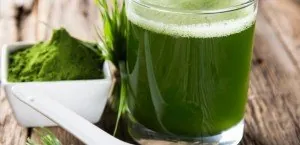
Spirulina is a blue-green microorganism sold as a powder, flake, or supplement. It contributes protein and pigments, including phycocyanin, and has attracted interest for possible metabolic benefits. The amount of nutrition depends on the portion.
Possible benefits
- Contributes protein and plant pigments in an amount determined by the serving.
- Possible lipid benefits: small studies report effects on cholesterol or triglycerides in some groups.
Try it: Blend a small amount into a smoothie if you enjoy it; choose a product with independent contaminant testing.
50 Wheatgrass

Wheatgrass is the young green growth of the wheat plant, commonly served as a juice or added to smoothies as a powder. It contains chlorophyll and is popular in natural-health traditions for its proposed antioxidant and digestive benefits.
Possible benefits
- Contains chlorophyll and compounds studied for antioxidant activity.
- Possible digestive benefits: a small study explored wheatgrass juice for ulcerative colitis symptoms.
Try it: Add a little to a smoothie if you like its grassy taste. Raw juice can be contaminated with bacteria or mold, so handling and product quality matter.
Turn the list into meals, not a longer shopping bill
You do not need to buy all 50 items. Pick a few ingredients that work in more than one meal, then change the combinations as you get bored.
- Breakfast
- Plain oatmeal with blueberries, yogurt, and a few chopped walnuts.
- Lunch
- Lentils with tomatoes, carrots, leafy greens, and an olive-oil-and-lemon dressing.
- Dinner
- Salmon or another protein food with broccoli and a baked sweet potato.
- Snack
- An apple and a small portion of nuts, or plain yogurt with kiwi.
Make a smaller, more useful shopping list
Start with two fruits you like, two vegetables you know how to cook, one dependable protein food, and a grain or legume. Add a seasoning and a cooking fat you will use repeatedly. Frozen produce, canned fish, dried lentils, and plain oats can help reduce waste and the need for daily shopping.
Compare prices per usable portion, not just per package. A large bag is only a bargain if you will use it. Check canned foods for sodium, sweetened drinks and yogurt for added sugar, and milk alternatives for fortification and protein.
Frequently asked questions
Is there one best superfood?
No single food provides everything you need. The useful question is what a food adds to your usual meals: fiber, protein, a particular vitamin, or simply a flavor that helps you eat more vegetables. Choose a pattern you can afford and enjoy. NCCIH explains why antioxidant-rich foods and high-dose antioxidant supplements cannot be assumed to have the same effects.
Can these foods prevent cancer or treat a medical condition?
A healthy eating pattern can support health, but no entry on this list should be used as a cancer treatment. NCCIH recommends discussing complementary products with the cancer care team, because supplements may interact with treatment.
Are fresh foods always better than frozen or canned?
No. Storage, preparation, and the product’s ingredients matter. Plain frozen vegetables, frozen berries, canned tomatoes, and canned fish can be useful ways to keep food available. The American Heart Association includes fresh, frozen, and canned produce as healthy choices. Check sodium, syrup, added sugar, and any cooking instructions rather than judging only by the packaging.
Does the food with the most fiber win?
No. The chart compares one nutrient at a fixed weight. A usual portion of walnuts is smaller than a usual bowl of cooked oats, and fish contributes protein and marine omega-3 fats even though it does not contain fiber. NIDDK describes several food groups that can help you get fiber; variety and tolerance matter more than maximizing one bar.
Can I replace fruit and vegetables with a greens powder?
A powder does not automatically reproduce the fiber, water, food volume, and range of ingredients in everyday meals. Products vary, and the amount on the label may be small compared with a normal food portion. NCCIH advises checking supplement evidence, safety, and interactions.
Which cautions are most important?
Match choices to your own needs: grapefruit can interact with medicines; large amounts of Brazil nuts or iodine-rich seaweed can supply too much of a nutrient; and food allergies still apply. People taking warfarin should keep vitamin K intake consistent. Honey is unsuitable for babies younger than 12 months. The relevant entries link to NIH guidance on vitamin K and other primary sources so you can check the issue that affects you.
Updated September 12, 2026. Food-composition values in the chart are from USDA Standard Reference Legacy (2018); the original preparation names are included in the data table. Nutrition and safety sources are linked where they are discussed.